Loading…
Serving Rialto, CA and surrounding areas. (909) 546-5589
Planning an addition, ADU, or new structure? A properly built concrete slab is the base everything else depends on. We handle permits, soil prep, and hot-weather curing for Rialto homeowners.
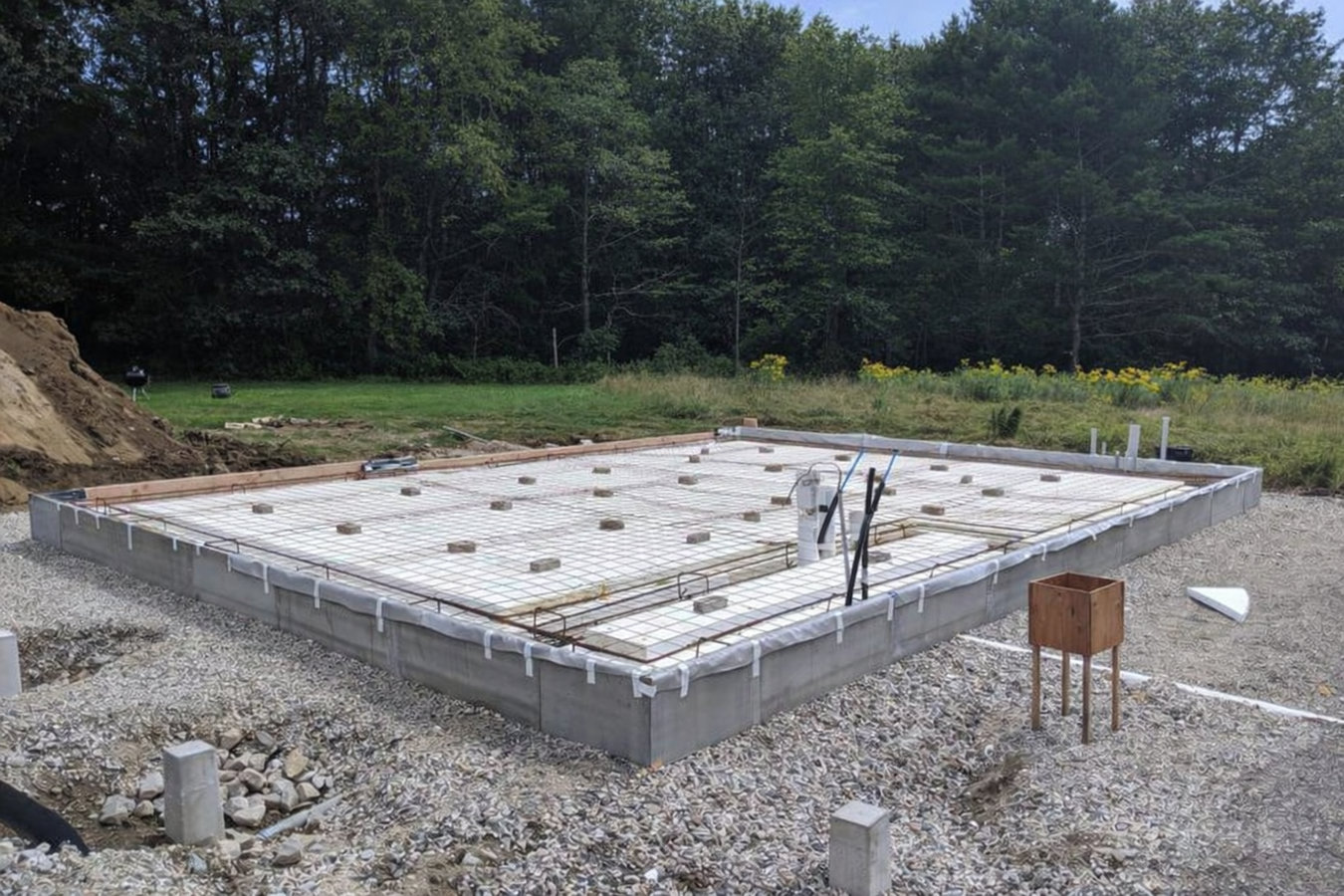
Slab foundation building in Rialto involves excavating and leveling the ground, compacting the soil, installing a gravel base and moisture barrier, placing steel reinforcement, passing a city inspection, and then pouring the concrete - most residential slabs take three to five days of active work, with full curing strength reached at 28 days.
Most Rialto homeowners starting a slab project are adding a room, converting a garage into living space, or building a backyard ADU. The slab is the first step - and the step that determines how everything above it performs for decades. Slab foundation building in Rialto requires careful attention to the area's clay soils and seismic zone requirements, both of which are baked into the city's permit and inspection process.
If your project involves pouring a new slab for a full structure with a more complex footprint, our foundation installation service covers engineered plans and soil assessments for larger builds.
If you are adding a room, a garage, an accessory dwelling unit, or any new structure to your property, you need a new slab foundation before framing can begin. A concrete pad is the starting point for almost any permanent structure in Rialto. Without it, no building permit will be issued and no framing inspection will pass.
Small hairline cracks are common and usually harmless. But if you notice cracks wider than about an eighth of an inch, cracks running diagonally from doorway corners, or cracks that seem to be growing, your slab may be moving - possibly because of the expansive clay soils common in Rialto. A contractor can assess whether repair or replacement is the right call before the problem affects your walls and doors.
When a slab shifts, the walls and door frames above it shift too. If doors that used to swing freely now stick or drag, or if you notice gaps forming at the tops of door frames, the foundation underneath may be moving. In Rialto, this symptom often appears after a dry summer followed by heavy winter rains, when the clay soil goes through a significant wet-dry cycle.
If water collects against the base of your exterior walls after it rains, it is working its way toward your slab. Over time, this can erode the soil underneath, cause the slab to settle unevenly, and allow moisture to wick up through the concrete into your flooring. Rialto's occasional heavy winter storms can accelerate this process significantly.
We handle every phase of a slab project - site assessment, permit application through the City of Rialto, excavation, gravel base installation, moisture barrier placement, steel reinforcement, and concrete pouring and finishing. Whether you are building a slab for a small ADU or a full room addition, we size the reinforcement and footing depths to your site conditions, not to a generic template. We also manage hot-weather curing techniques during Rialto's summer months so the slab reaches its full strength regardless of when the project falls.
For projects that require standalone anchor points before the main slab is poured, we also offer concrete footings for posts, load-bearing columns, and deck structures. Combining footings and a slab in a single visit keeps your project on schedule and reduces crew mobilization costs.
Full slab pour for room additions, ADUs, garages, and new home construction - includes soil prep, moisture barrier, and steel reinforcement.
For homeowners converting a garage or building a backyard ADU where the existing slab may not meet residential living space standards.
When an existing slab from Rialto's mid-century housing stock is too damaged or thin to repair - includes breaking up the old concrete and starting fresh.
Rialto sits on soils that contain significant amounts of clay, and clay behaves differently from the sandy or rocky ground you find in other parts of California. It swells when wet and shrinks when dry, and that constant seasonal movement puts stress on any concrete slab sitting on top of it. A foundation poured in Rialto needs a properly compacted base, adequate steel reinforcement, and edge footings deep enough to sit in stable ground - requirements that go beyond what you would find on a job in a less demanding area. Our crews working in Rialto and nearby Colton see these soil conditions on virtually every project.
Rialto also sits in a seismically active part of Southern California, near several major fault systems. The state's building code requires foundations here to include steel reinforcement and footing designs that can handle lateral ground movement from earthquakes - and the city's inspector checks for exactly this before the concrete is poured. A significant portion of Rialto's housing stock was built in the 1950s through 1970s, meaning many homeowners replacing aging slabs also encounter non-standard original construction that has to be assessed and accounted for before the new work begins. Rialto's summer heat adds one more layer - pours need to start early in the morning and the fresh slab must be kept moist to cure correctly. The Portland Cement Association publishes guidance on hot-weather concrete placement that shapes how we approach every summer pour in this area.
Call or message us with your address, what you are building, and the approximate size. We schedule a free on-site visit to assess the soil, measure the area, and walk through your options. A written estimate with a clear line-item breakdown follows within one business day.
We submit the permit application to the City of Rialto Building and Safety Division before any work begins. Permit processing in Rialto commonly adds one to three weeks to the start date - we handle the process entirely and give you a realistic schedule from the outset.
Once the permit is in hand, we excavate and level the ground, compact the soil, lay a gravel base, and install the plastic moisture barrier. Then we set steel reinforcement inside the forms. A city inspector visits at this stage to verify everything before we pour - this is standard practice in Rialto.
The pour for a typical residential slab takes four to eight hours. In Rialto's summer heat, we start at dawn. We keep the surface moist during curing, and the slab is ready for framing after about seven days. A final city inspection closes the permit before any framing begins.
Free written estimate. We handle the permits. No surprise charges at closeout.
(909) 546-5589Every new slab foundation in Rialto requires a city permit and at least one inspection before the concrete is poured. We handle all of it - application, scheduling, and coordination with the City of Rialto Building and Safety Division. Your project stays on track and leaves a clean paper trail.
We assess your specific site conditions before we design anything. Rialto's clay-heavy ground and seismic zone requirements mean your slab needs proper steel reinforcement and soil preparation - not a generic plan. That is the foundation of a slab that stays flat and stable for decades.
We work on slab foundations in Rialto neighborhoods every week and understand the local clay soils, summer heat conditions, and permit timelines firsthand. That experience shapes every footing depth and curing decision we make on your project.
We give you an itemized written quote covering labor, materials, gravel base, moisture barrier, reinforcement, and permit fees before we start. The final invoice matches what you were told. If an unexpected site condition comes up, we tell you before acting on it.
The American Concrete Institute sets the national standards our crews follow for reinforcement placement, hot-weather pouring, and curing practices. Working to those standards - and passing Rialto's city inspections - means your slab is documented, code-compliant, and built to last through the soil conditions and earthquake risk that are simply part of life in the Inland Empire.
For additions, ADUs, and new construction that need a full foundation installation from the ground up, including soil assessment and engineered plans.
Learn moreStandalone concrete footings for posts, columns, decks, and structures that need a deep anchor point before the slab is poured.
Learn morePermit slots fill up fast - call or message us today to lock in your start date before summer heat or spring demand pushes your timeline.