
Loading…
Serving Rialto, CA and surrounding areas. (909) 546-5589
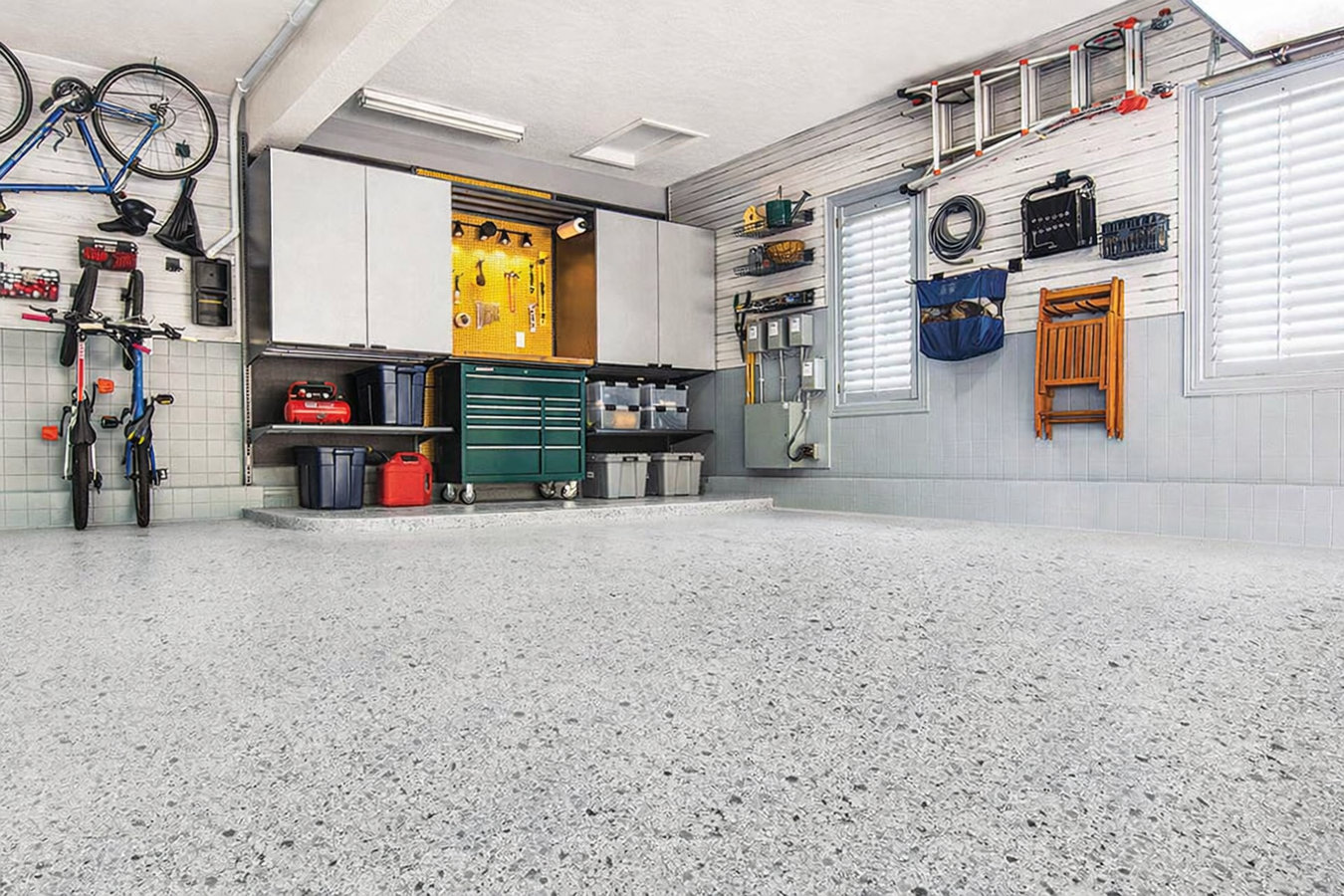
Cracked, crumbling, or hollow-sounding? A properly replaced garage floor handles Rialto's heat, clay soils, and daily vehicle use - without patching it every few years.
Garage floor concrete in Rialto typically means removing the old cracked slab, compacting and grading the soil underneath, and pouring a fresh 4-inch slab - most standard two-car garage jobs take one day to pour, with a 28-day cure before vehicles should go back on it.
Most Rialto homeowners contact us after noticing cracks that keep coming back, a surface that is flaking, or a floor that sounds hollow in spots. Homes built in the 1960s through 1980s - a large portion of Rialto's housing stock - often have original slabs that were poured thinner than current standards and have endured decades of Inland Empire heat cycles and expanding clay soil. At that point, patching is a short-term answer to a structural problem.
If you are considering other flatwork at the same time, many of our customers also look into decorative concrete options like epoxy-ready finishes or colored slabs that make the garage more functional and better looking at the same time.
Small hairline cracks are common and not always urgent. But cracks that have grown wider over time, or that you can fit a coin into, signal that something is wrong underneath. In Rialto, the clay-heavy soil that expands and contracts with moisture changes is a frequent driver of this kind of progressive cracking - and patching over it without fixing the base is only a temporary fix.
If you sweep your garage and always find a fine gray powder, or if the surface is peeling away in thin flakes, the top layer of the slab has deteriorated. This typically happens when the concrete was finished poorly during the original pour or the surface was never sealed. Once the surface starts breaking down, it accelerates - and no amount of cleaning will reverse it.
A garage floor should slope slightly toward the door so water drains out. If a puddle forms in the same place every time after rain or washing, the slab has settled unevenly or was never poured with the correct pitch. In Rialto's hot summers, standing water evaporates quickly - but it can still work its way into cracks and weaken the slab.
If a section of your garage floor sounds hollow when you tap it, or feels slightly springy, the concrete has separated from the base beneath it. This is called delamination, and it means the slab is no longer fully supported. Left alone, those sections will crack and eventually collapse under the weight of a vehicle.
We handle the complete job from start to finish - permit confirmation, demolition of the old slab, haul-away, subgrade compaction, gravel base installation, forming, pouring, finishing, and control joint cutting. Whether you want a plain smooth finish, a broom texture, or a surface prepped for a later epoxy coating, we complete the work that makes the floor last. We also offer decorative concrete options for homeowners who want a more finished appearance in their garage space.
Customers who need more than just the garage often ask about concrete floor installation for workshops, covered patios, or other slab-on-grade areas on the same property. Combining projects saves on equipment mobilization and keeps the work consistent.
Best for floors with widespread cracking, delamination, or slabs from pre-1985 builds that have outlived their useful life.
The standard residential option - durable, easy to maintain, and compatible with later epoxy or sealer applications.
Recommended for homeowners who park trucks, RVs, or store heavy equipment - 5 to 6 inches rather than the standard 4.
Rialto sits in the Inland Empire, where summer temperatures regularly climb above 100 degrees F and the soil contains enough clay to expand and contract with every wet-dry cycle. Those two factors together are the main reason garage floors across the city crack - often within years of being poured, and especially in homes from the 1960s through 1980s where original slabs were poured thinner than today's standards. A contractor who does not account for both during base prep and pour timing is building a floor that will fail ahead of schedule. The Portland Cement Association notes that proper curing is especially critical in hot, dry climates - and Rialto qualifies on both counts.
We work regularly across Rialto and neighboring Colton and know the soil conditions in both cities from direct field experience. If your project requires a city permit, we handle that as well - including coordination with the City of Rialto Building and Safety Division.
We ask about your garage size, whether you want a full replacement or repairs, and any concerns like drainage or heavy vehicle use. A free on-site visit follows so we can inspect the existing floor - we don't give a firm price without seeing it. A written estimate arrives within one business day.
Before the crew arrives, clear everything from the garage - vehicles, shelving, stored items, and anything mounted to the floor. This is your step to handle in advance, and it needs to be done before the scheduled start date. If there are items you cannot move alone, let us know.
On day one, the crew breaks up and hauls away the old slab. Expect jackhammering and a debris truck. Once the old concrete is out, we compact the ground and add gravel to create a stable, level base - the most important step for how long your new floor lasts.
We pour and finish the concrete, cutting control joints before it fully hardens. In Rialto's summer heat, we start early and apply a curing compound to prevent the surface from drying too fast. After the cure period, we walk through the finished floor with you and explain the timeline for moving vehicles back in.
Free on-site estimate. Written quote before we start. No pressure.
(909) 546-5589When your Rialto garage floor project requires a city permit, we pull it and coordinate the inspection. Your project is on record with the city, which protects you if you ever sell your home or need to file an insurance claim.
Rialto regularly hits triple digits from June through September. We schedule pours for early morning and use slow-set additives so the surface cures evenly rather than drying out before finishing. This is how we prevent the cracking that shows up on floors poured by contractors who don't adjust for the heat.
We work in Rialto neighborhoods every week and know the clay soils, HOA requirements, and local permit process here. Inland Empire soil conditions are not something you learn from a textbook - you learn them by working in them, season after season.
We give you a written estimate that covers everything - demolition, haul-away, base prep, pour, finishing, and cleanup - before any work starts. The final invoice matches what we discussed. No additions after the fact, no pressure on the day of the job.
Every one of these points comes back to the same thing: a garage floor that does what it is supposed to do for the next 20 to 30 years. You can verify our California contractor license on the California Contractors State License Board website before you call - and we encourage you to do exactly that with every contractor you are comparing.
Upgrade the look of your garage or outdoor concrete with stamped, stained, or polished decorative finishes.
Learn moreNew concrete floors for living spaces, workshops, and commercial areas - poured flat and finished to spec.
Learn moreSummer slots fill fast in the Inland Empire. Contact us today and we will come out, look at the floor, and give you a written quote before you commit to anything.