
Loading…
Serving Rialto, CA and surrounding areas. (909) 546-5589
Adding a room, patio cover, or block wall? Rialto's clay soil and seismic zone require footings built and inspected to the right spec. We handle permits, pre-pour inspection, and the pour.
Concrete footings in Rialto are the underground concrete bases that anchor structures - room additions, patio covers, decks, block walls, and posts - to stable soil below the surface. Most residential footing projects take one to two days of on-site work after permit approval, with the concrete reaching working strength in about a week and full strength in roughly 28 days.
Most Rialto homeowners reach out when they are planning a new addition, replacing a leaning fence or wall, or when a home inspection has flagged a foundation concern. Rialto's clay-heavy soil moves seasonally - swelling when wet and shrinking in the long dry stretches - and footings that were not designed for that movement eventually fail. Catching the problem before you start framing is far less expensive than dealing with it after walls are up.
Homeowners building a full foundation for a new structure often ask about foundation installation at the same time, since footings are the first step in that process and the same crew handles both in sequence.
Diagonal cracks running from the corners of door frames or spreading across a nearby concrete surface can signal that an underlying footing is shifting or settling. In Rialto, the clay-heavy soil expands and contracts with seasonal moisture changes, and that movement puts stress on footings from underneath. A crack that is getting wider over several months - not staying the same - is worth having a contractor assess.
When a footing shifts, the structure above it shifts too, and that often shows up first as doors or windows that suddenly do not fit their frames the way they used to. This is especially common in older Rialto homes where original footings may not have been designed for the expansive soils underneath. If you are noticing this in multiple places around the house, it is worth getting a professional opinion on what is happening at the foundation level.
If a block wall, fence post, or freestanding structure has started to lean, or you can see a gap between its base and the ground, the footing holding it in place has likely failed or was never adequate. Rialto's summer heat and dry conditions can cause soil to pull away from footings, making this more visible in late summer or early fall after a long dry stretch.
Any new structure attached to your home - a bedroom addition, a covered patio, a garage conversion - requires new footings before framing can begin. In Rialto, this also means a permit and inspection before concrete is poured. If a contractor quotes you on an addition without mentioning footings or permits, that is a red flag worth taking seriously.
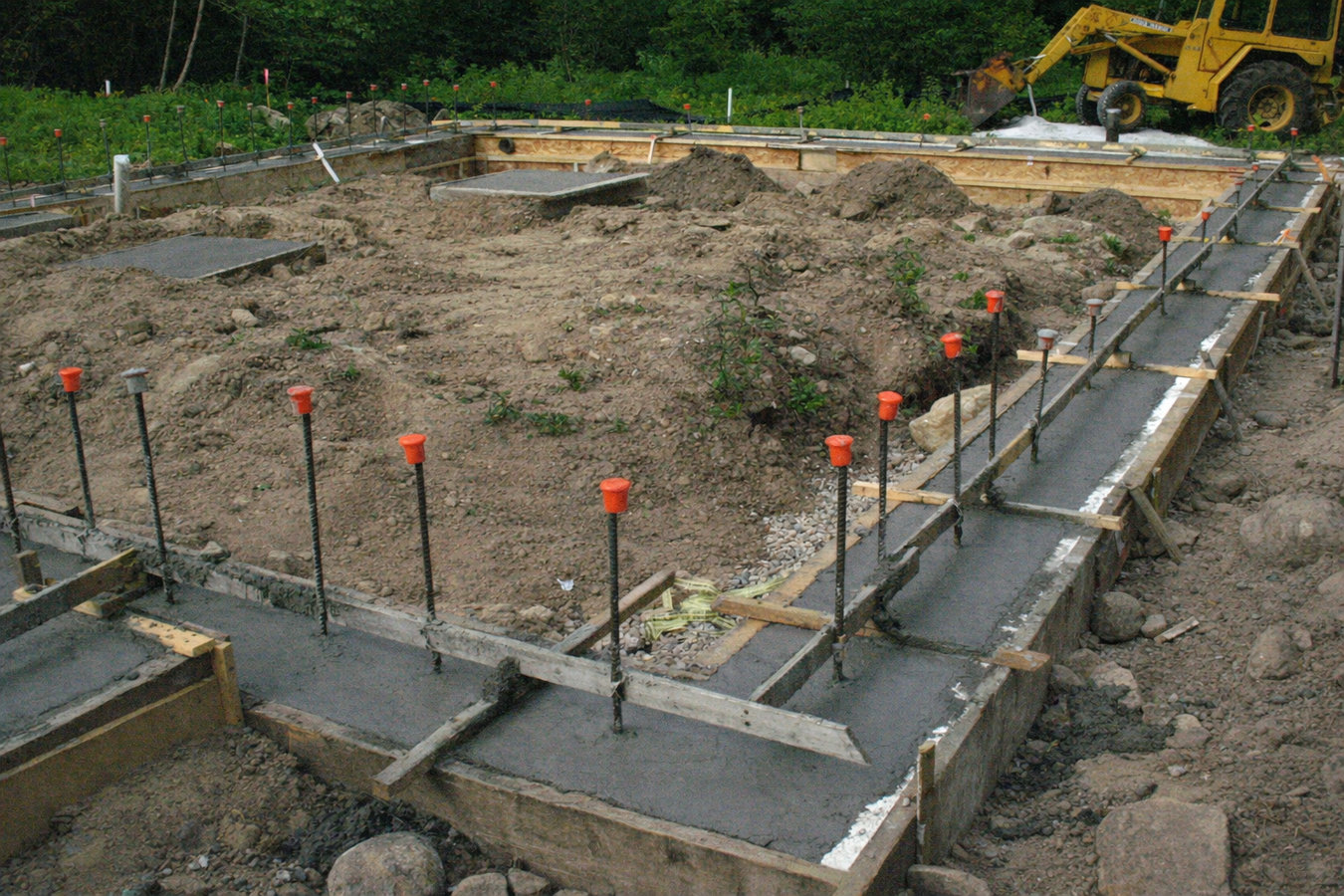
We handle the complete process: permit application, excavation to the depth and width specified in your approved plans, formwork setup, steel rebar placement, pre-pour inspection coordination, concrete pour, finishing, and curing steps for Rialto's heat. We do not schedule the pour until the city inspector has signed off on the excavation and reinforcement - every time, no exceptions. The permit paperwork stays with your property and is available whenever you need it.
Property owners whose footing project is part of a larger foundation repair job sometimes ask about foundation raising at the same time. If a structure has already shifted because of failing footings, raising and releveling is the companion step that brings everything back to level before new footings are placed.
Suits homeowners building a bedroom addition, garage conversion, or new attached structure that requires permitted footings before framing can start.
Suits homeowners adding a covered patio, pergola, or elevated deck that needs individual post footings to meet Rialto's permit and inspection requirements.
Suits homeowners building or replacing a concrete block wall or masonry fence that requires a continuous footing to stay plumb in Rialto's clay-heavy soil.
Rialto sits in the San Bernardino Valley on soil that contains a significant amount of clay in many neighborhoods. Clay soil swells when it absorbs water and shrinks when it dries out - a cycle that happens every year here with Rialto's long dry summers and occasional heavy winter rain. That movement puts consistent stress on anything anchored in the ground, and footings that were not sized for those soil conditions can crack or shift within a few years of installation. A large share of Rialto's housing stock was built between the 1950s and the 1990s, and some of those original footings were not designed to today's standards. When we assess a site, soil conditions are the first thing we look at before we finalize any dimensions.
Rialto is also in a seismically active region, and California's building code requires footings to include steel reinforcement designed to handle ground movement during an earthquake. That requirement is enforced through the permit and inspection process - the inspector visits before the concrete is poured to confirm the rebar is in place and correctly positioned. We work regularly throughout Rialto and San Bernardino and include that inspection step on every single job.
When you reach out, we schedule a visit to walk your property before giving you a price. Footing costs depend heavily on soil conditions and project size - things we cannot assess over the phone. Expect the estimate visit to take 30 to 60 minutes. You will receive a written quote that breaks down excavation, materials, labor, and permit fees separately.
We submit the permit application to the City of Rialto's Building and Safety Division on your behalf before any digging begins. Permit approval typically takes a few business days to a couple of weeks depending on the city's workload. We build that window into the project timeline so you know what to expect before anyone arrives with equipment.
The crew digs the trenches or holes to the depth and width specified in your approved plans, then sets the steel reinforcement rods inside the forms. Before any concrete is poured, a city inspector must visit and sign off on the excavation depth and rebar placement. We coordinate that inspection directly and are on-site when the inspector arrives.
Once the inspection passes, we pour the concrete. In Rialto's summer heat, we schedule pours for early morning and apply curing steps to keep moisture in the slab while it hardens. The footing reaches working strength in about a week and full strength in roughly 28 days. We let you know when it is safe to start building on top and what to keep in mind during that window.
We walk your property and assess the soil before quoting - so the number you get reflects what your project actually requires. Written estimates returned within one business day.
(909) 546-5589We handle the permit application and pre-pour inspection coordination with the City of Rialto Building and Safety Division on every job. The inspector sees the excavation and reinforcement before we pour - which means you have documented confirmation the work was done correctly. That paperwork stays with your property and matters when you sell.
We design the reinforcement for each footing based on the actual soil conditions and the seismic requirements that apply to Rialto. Clay soils in the Inland Empire expand and contract, and California's earthquake standards require more steel than many other states. A footing poured without correctly sized rebar may look fine for years - until the ground moves.
We have been installing concrete footings throughout Rialto and the surrounding Inland Empire since 2023. Summer pours are always scheduled for early morning with curing compounds applied for Rialto's triple-digit heat. We know the local permit office, inspection timeline, and soil conditions in this area.
A lot of Rialto homeowners have been burned by estimates that changed once work started. We assess your soil conditions and project requirements in person before quoting, and we do not begin excavation until you have a written estimate in hand. The price you agree to is the price on the final invoice.
The pre-pour inspection step is not a formality - it is the moment when any mistake in the excavation or reinforcement gets caught before it is buried forever. For technical standards on footing design and hot-weather concreting, the American Concrete Institute and the California Geological Survey publish soil and seismic guidance that informs how footings are designed in this region.
Lifting and releveling settled foundations in Rialto - often the next step when footing movement has caused a structure to shift unevenly.
Learn moreComplete foundation installation for new structures, including the full footing system and slab work required before framing begins.
Learn morePermit season in the Inland Empire fills up fast - reach out now to lock in your start date before the wait grows.