Loading…
Serving Rialto, CA and surrounding areas. (909) 546-5589
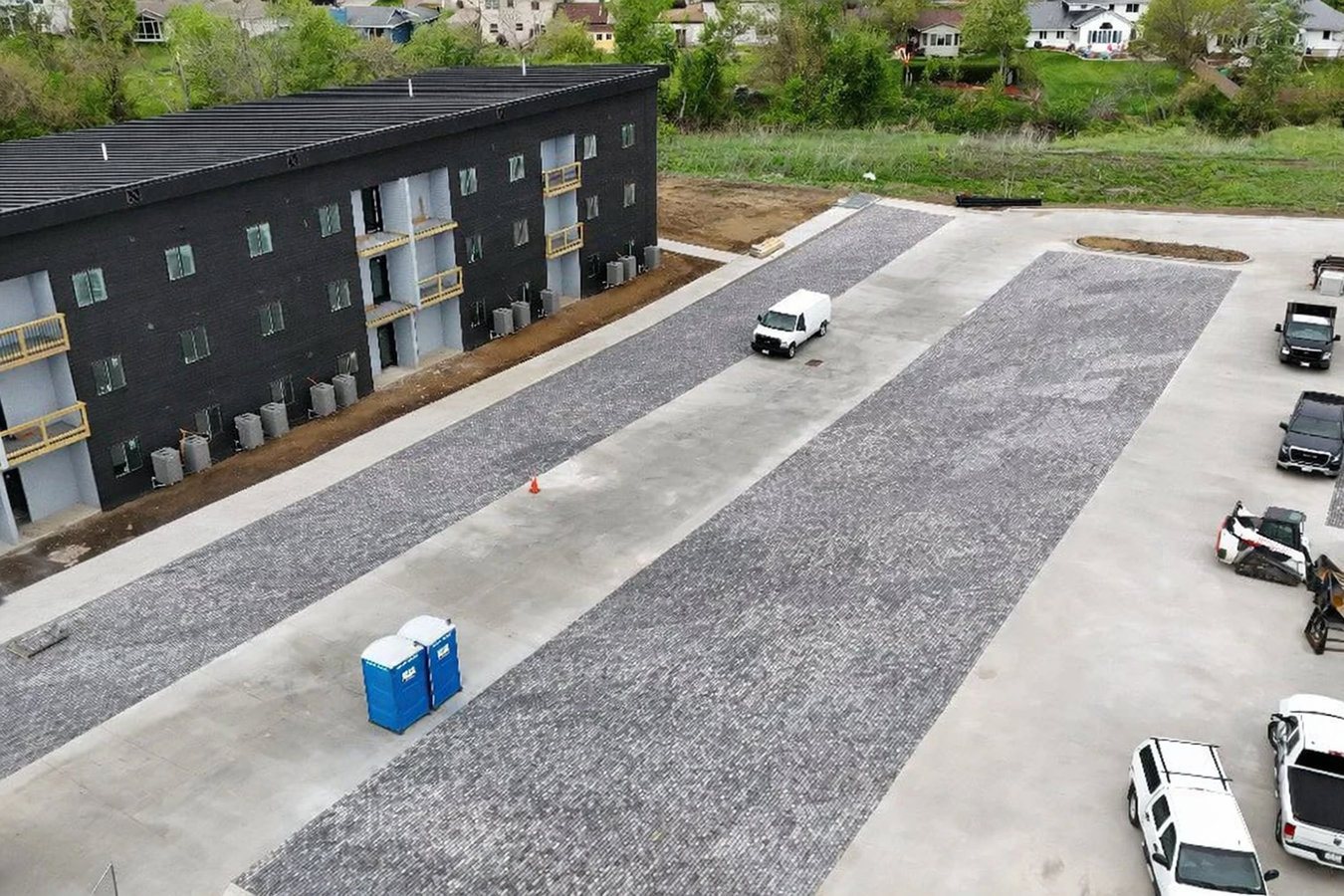
Cracked paving, pooling water, or no paved surface at all? We build concrete parking lots in Rialto built for expansive soil, Inland Empire heat, and city permit requirements.
Concrete parking lot building in Rialto involves removing the existing surface or vegetation, grading the soil for drainage, compacting a crushed-gravel base, placing steel reinforcement, pouring the concrete slab to the correct thickness, finishing the surface, and cutting control joints - most small residential or commercial parking areas take two to four days on-site, with a seven-day wait before vehicles can use the surface.
Most Rialto property owners reach out when their existing paved area has cracked past the point of easy repair, when standing water has become a regular problem after rain, or when they are adding a business use to the property and need a proper paved surface that meets city requirements. Rialto's clay-heavy soil and summer heat are two conditions that any concrete parking lot here has to be designed around.
Property owners who need underground support structures alongside their parking lot - curb anchors, covered structure posts, or boundary walls - often ask about concrete footings at the same time, since the site is already open and the same crew can handle both in a single mobilization.
If the cracks in your parking surface are wide enough to catch a coin, or wide enough that you feel a bump when you drive over them, the surface has gone past the point where patching will give you a lasting fix. Cracks that wide usually mean the base underneath has shifted or settled. In Rialto's expansive soil conditions, that movement is unlikely to stop on its own.
Standing water on a paved surface is a sign that the slope or drainage was not built correctly - or that the surface has settled unevenly over time. In Rialto, where sudden heavy rain events can follow months of dry weather, pooling water accelerates surface damage and can work its way under the slab. If you notice puddles still sitting an hour after rain stops, it is worth having a contractor take a look.
Edge deterioration is one of the earliest visible signs that a concrete surface is breaking down. You might notice chunks missing along the border of the parking area, or the surface feels soft near the edges. This kind of damage tends to spread inward over time, especially in Rialto's hot summers where temperature swings stress the material at the most exposed points.
An unpaved parking area in Rialto creates dust, mud after rain, and an uneven surface that is hard on vehicles. It can also create drainage problems that affect neighbors or the street. A concrete parking lot solves all of those issues at once and adds lasting value to the property - especially if you are adding a business use or a second vehicle to your property.
We handle the full project from permit application through city inspection. That includes demolition and haul-away of existing material, soil grading for correct water flow, compacted aggregate base installation, reinforcing steel placement, concrete pour, surface finishing, control joint formation, and curing steps designed for Rialto's climate. Slab thickness is specified based on the actual vehicle loads the surface will carry - passenger cars require a different spec than delivery trucks.
Customers who are also building or expanding a residential driveway on the same visit often ask about concrete driveway building at the same time. Combining work in a single mobilization reduces setup costs and keeps the project on one timeline rather than two separate schedules.
Suits properties with no existing paved surface - dirt, gravel, or bare ground - that need a permitted, inspected concrete parking area built from the ground up.
Suits properties with an existing surface that is cracked, heaved, or draining poorly and is past the point where patching provides a lasting fix.
Suits properties adding vehicle capacity for a second car, a home-based business, or a rental unit - built to match the thickness and finish of any existing paved area.
Rialto sits in the Inland Empire on soil that contains a significant amount of clay. Clay soil expands when it absorbs water and shrinks when it dries out - and that movement is one of the leading causes of cracked or uneven parking surfaces in this area. Summer temperatures regularly exceed 100 degrees, which adds stress to fresh concrete and to any surface that was not cured properly when it was first poured. A parking lot built without accounting for both of those conditions will show problems within a few years. Getting the base depth, the slab thickness, and the curing process right for Rialto's specific soil and climate is what separates a 30-year surface from one that needs repairs in three.
Rialto also has local permit and drainage requirements that affect how any new paved surface must be designed. California has statewide rules about how runoff from paved areas enters the storm drain system, and the city enforces these on the ground. We work regularly throughout Rialto and Ontario and handle the drainage design as part of the job - your inspector will be looking for it, and so will your property after the first hard rain.
When you reach out, we schedule a visit to see your property in person - we need to assess the area size, existing surface, ground slope, and vehicle access before we can give you an accurate price. Be cautious of any contractor who quotes over the phone without visiting first. You will receive a written estimate that breaks down labor, materials, site prep, and permit costs separately.
Once you approve the estimate, we handle pulling the required permit through the City of Rialto's Building and Safety Division on your behalf. This step adds a few days to the timeline but means the finished work will be inspected and documented. A permitted parking lot is a protected investment - you have city records confirming it was built to standard.
The crew clears any existing pavement, vegetation, or debris and grades the soil to create the right slope for drainage away from your building. A layer of crushed gravel is then compacted as a stable base. In Rialto, this step is especially important because expansive clay soils can shift a slab from underneath if the base layer is thin or uneven.
On pour day we work from early morning in summer to avoid the midday heat that causes surface drying before the interior has cured. The crew places, spreads, and finishes the concrete and cuts or forms control joints before it sets. The surface will look finished that day but needs at least seven days before any vehicles are parked on it.
We visit your property before quoting - the number you get reflects your actual site conditions, not a phone guess. Written estimates returned within one business day.
(909) 546-5589We pull every required permit through the City of Rialto Building and Safety Division before work begins. A city inspector reviews the finished surface and confirms it meets local standards. That documentation stays with your property and protects you if you ever sell or face a code question.
Much of Rialto sits on expansive clay that swells when wet and shrinks when dry. We design the base layer and slab thickness for your specific soil conditions - not a generic national spec. Skipping or shortchanging that step is the single most common reason parking lots crack or sink within a few years of construction.
We have been doing concrete work throughout Rialto and the surrounding Inland Empire since 2023. Summer pours are always scheduled for early morning with curing steps designed for triple-digit heat. We know the local permit office, the local soil, and the local inspection process.
Every parking lot we build is graded so water drains correctly off the surface. Rialto's sudden rain events after long dry stretches can send a lot of water across a flat paved area fast, and a lot that was not designed for drainage becomes a problem the first wet season. Proper drainage design is part of the job from day one, not a line item we add later.
Every parking lot project we take on in Rialto goes through the same base-prep and drainage design process because we have seen what cutting either of those steps produces. For technical standards on concrete paving, the American Concrete Pavement Association publishes guidelines on base preparation and joint spacing that inform our work. For local permit and drainage requirements, the City of Rialto Public Works Department has current information on stormwater requirements for new paved surfaces.
Underground concrete footings that anchor structures to stable soil - required for parking lot curbs, walls, and covered structures adjacent to your lot.
Learn moreResidential concrete driveways built with the same base prep and thickness standards we use on commercial-grade parking surfaces.
Learn moreFall and winter book fast for concrete work in the Inland Empire - contact us today to get your project on the schedule while dates are still available.